


Roller ski wheels: resistance 2, 3 or 4 – plus rubber vs PU
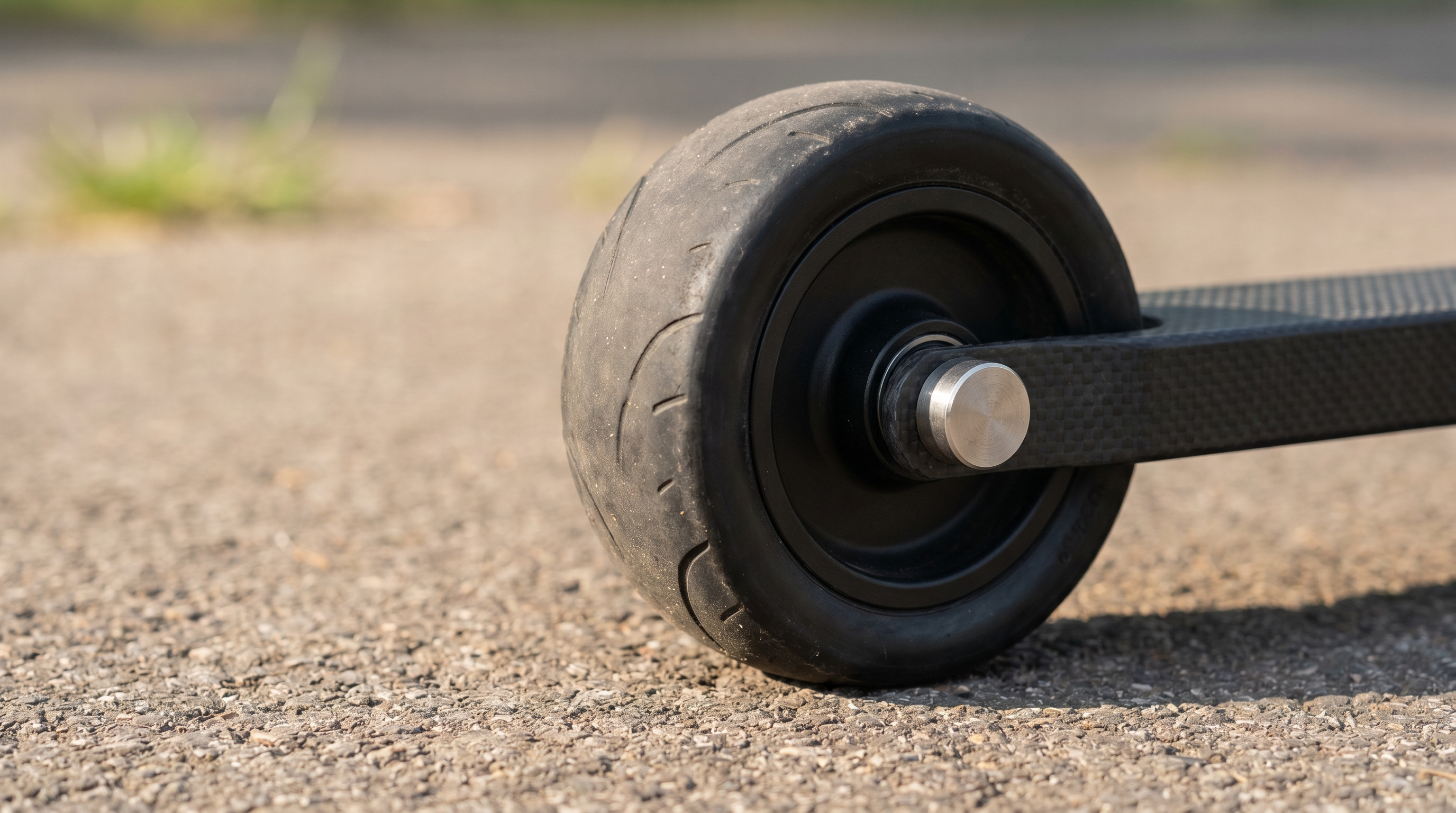 Roller ski wheels: resistance 2, 3 or 4 – plus rubber vs PU
Roller ski wheels are what actually touch the tarmac – and your choice of wheel resistance and wheel type affects the feel of skiing more than any other component.
What do resistance 2, 3 and 4 mean?
The number refers to the wheel's rolling resistance. Higher number = more resistance = slower rolling.
- Resistance 2 – the least resistance, and the most widely used wheel. Also used in races.
- Resistance 3 – moderate resistance for those of you who are fairly strong.
- Resistance 4 – the most resistance. For strength training and beginners.
Which resistance class should you choose?
Beginner: Start with resistance 4. Higher resistance = slower and better control.
Recreational skier: Resistance 2 or 3 is usually the best choice.
Racer: Resistance 2.
Rubber wheels vs PU wheels
Rubber wheels
- Softer, better at damping vibrations
- Work on rougher tarmac
- Longer service life
The Skimateria 479 with 44 mm rubber wheels is a popular choice.
PU wheels
- Harder, faster rolling
- Preferred by those of you who want a good feel on the skis and to keep up with the others.
Swedish-made Skimateria wheels
- Softer radius – more grip in corners
- Stable rotation – minimises vibrations
- Tested for 2,000+ km
When should you replace your wheels?
- The rolling becomes uneven and the wheels are worn
- The profile is asymmetric
- Unusual noises as the wheel rotates
Wheels sold separately
Skimateria sells wheels separately as replacement wheels.
Summary
- Beginner: resistance 2, 3 or 4 with rubber wheels, depending on which speed suits you
- Recreational skier: resistance 2 or 3 with rubber wheels
- Racer: resistance 2
Read our complete guide.
More from
>
rullskidor